published by Jonathan on Sun, 03/11/2012 - 20:41
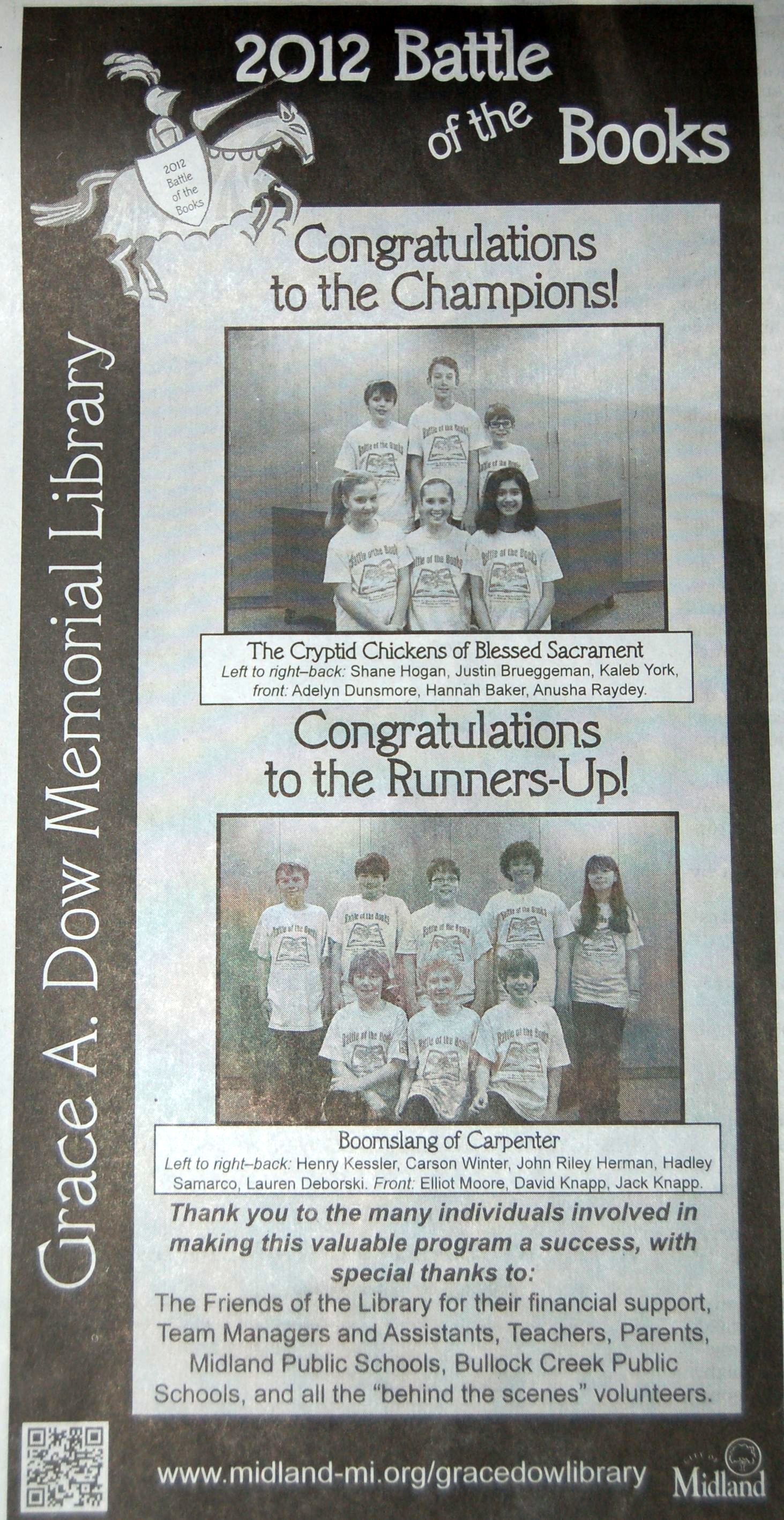
From today’s Midland Daily News:
published by Jonathan on Thu, 03/08/2012 - 22:22
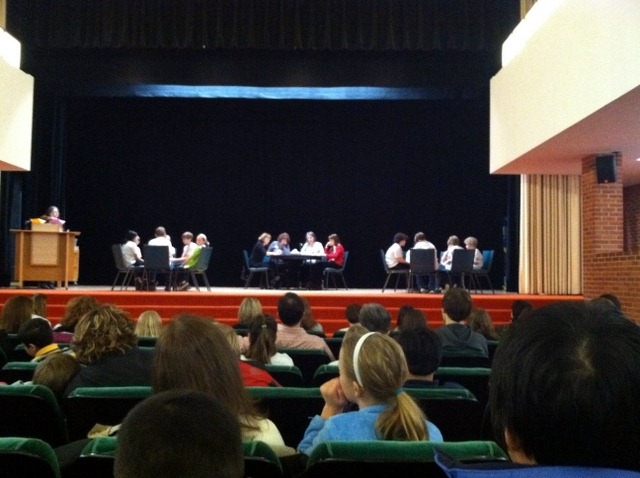
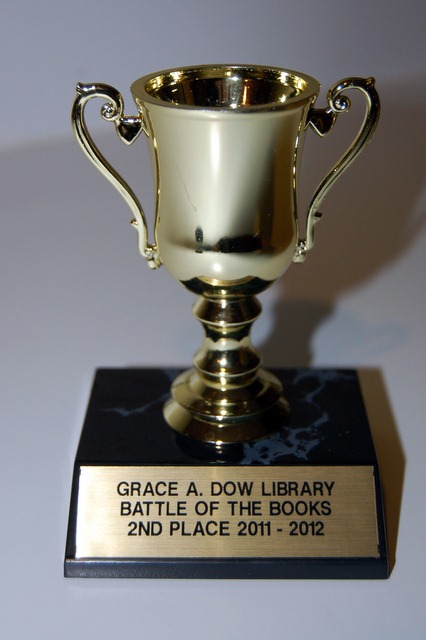
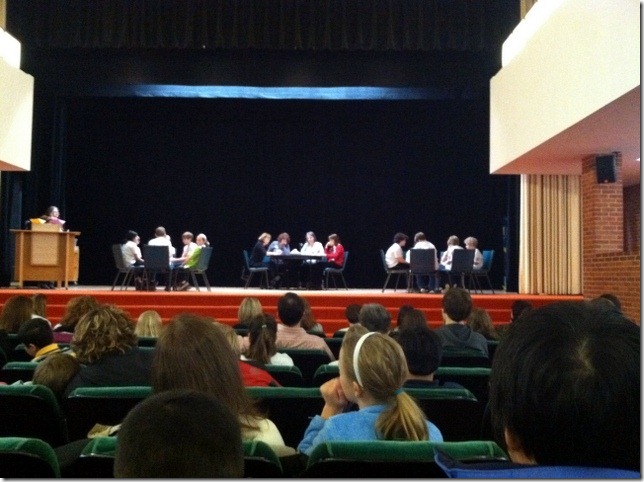
This afternoon Boomslang participated in the championship battle for the 2011-2012 Battle of the Books. They faced “The Cryptid Chickens” from Blessed Sacrament. Each team was asked 15 questions during the battle. The Chickens answered all 15 of theirs correctly and 3 out of the 4 that Boomslang missed. The Chickens were pretty much unbeatable. I’m sure the kids from Boomslang were a little disappointed about the outcome, but mostly they just seemed to be glad to have permission to read non-Battle-books again. Congratulations to the Chickens and to Boomslang and Coach Herman for a fantastic performance in this year’s Battle!
published by Jonathan on Sun, 03/04/2012 - 16:25
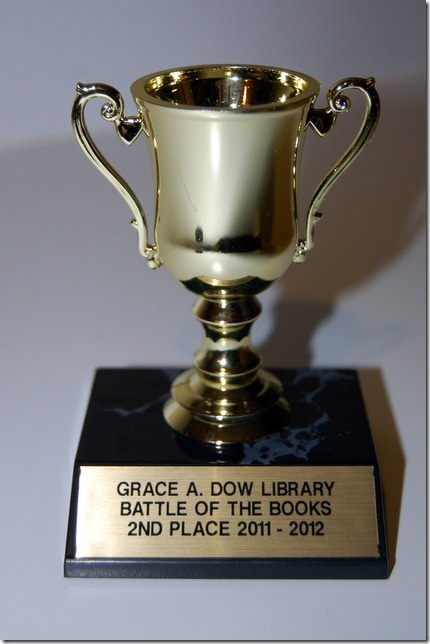
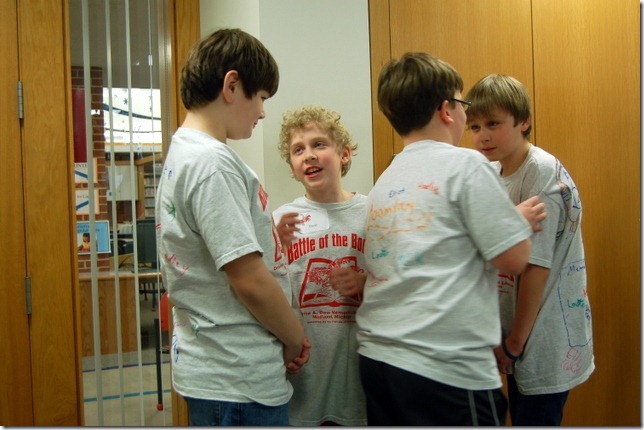
Saturday afternoon Elliot and his pals participated in the oral round of Battle of the Books. The fact that they had made it to the oral round meant that they were already in the top 16 out of the ~ 64 teams that participated this year. Eight teams had already competed in the morning round to determine the first team that will participate in the championship round (The Cryptid Chickens from Blessed Sacrament). Elliot’s team (Boomslang) was competing against seven other teams (5 from Woodcrest, 1 from Plymouth, and 1 from Freeland) for the second spot in the championship (to be held on Thursday at 4:30 PM in the auditorium of the Grace A. Dow Library). Boomslang made it to the oral round last year and came up just short of making the championship (here is a link to a photo).
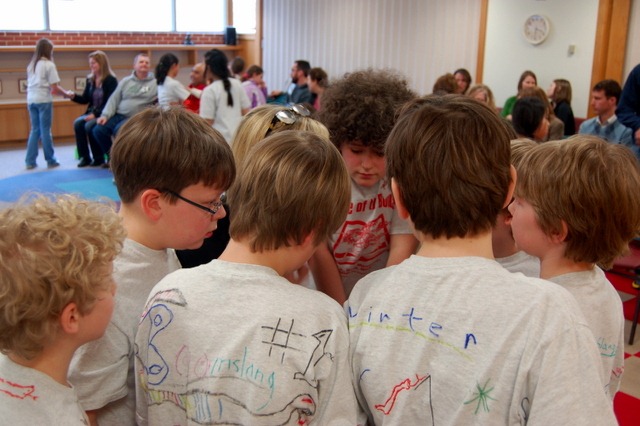
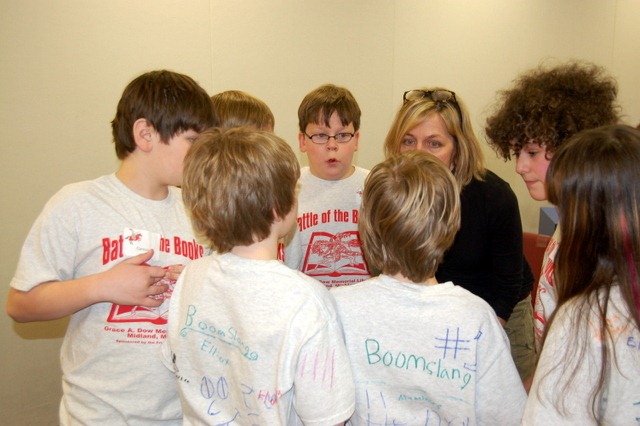
Out of the ~ 45 questions they received on Saturday they only missed two, so we knew they had done very well. However, they had lost one of the battles, and the way points are assigned makes it hard to predict your performance (since you don’t know how well the other teams did). When the emcee announced that Boomslang would be moving on to the championship battle, we were surprised and thrilled! It wasn't even very close this time since there was a large cushion of points between Boomslang and the second place team. Congratulations to the team and coach Marcelle for all of the hard work they’ve put in over the last several months!
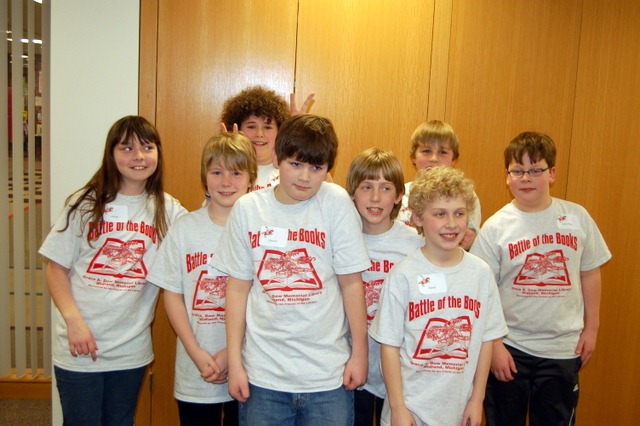
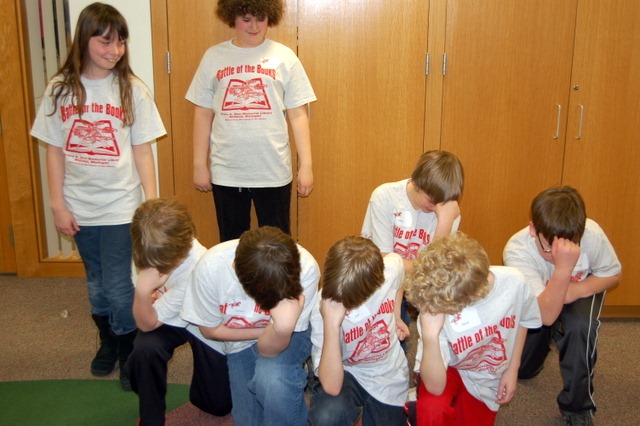
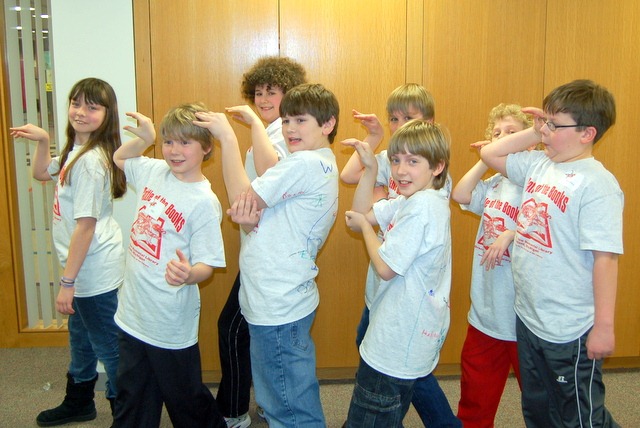
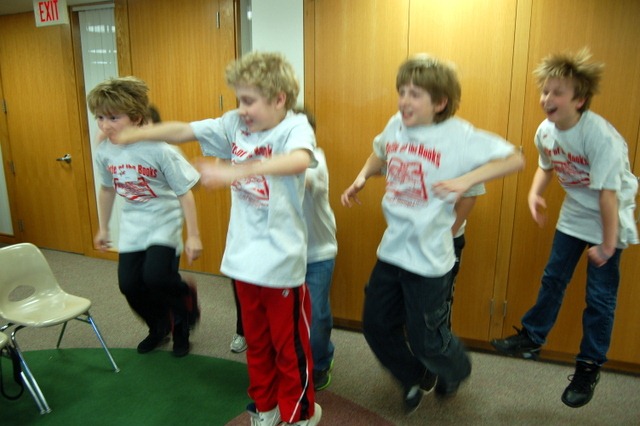
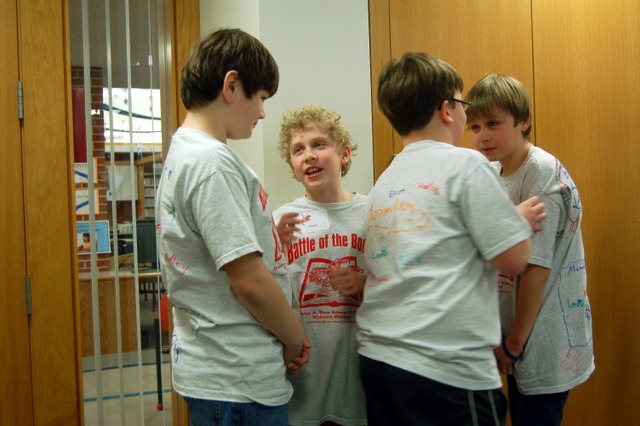
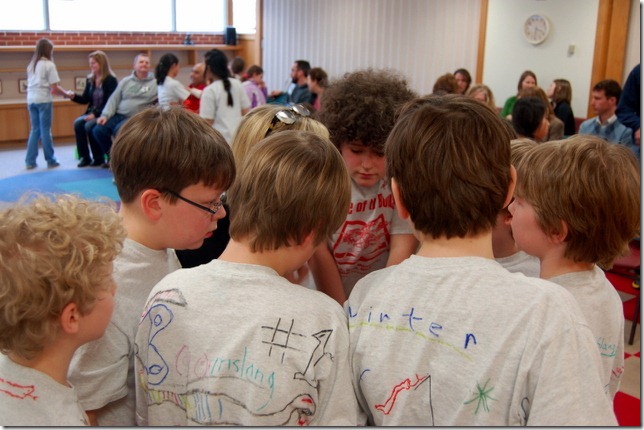
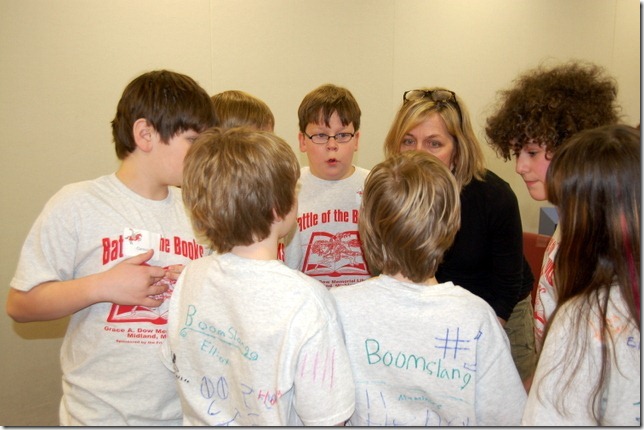
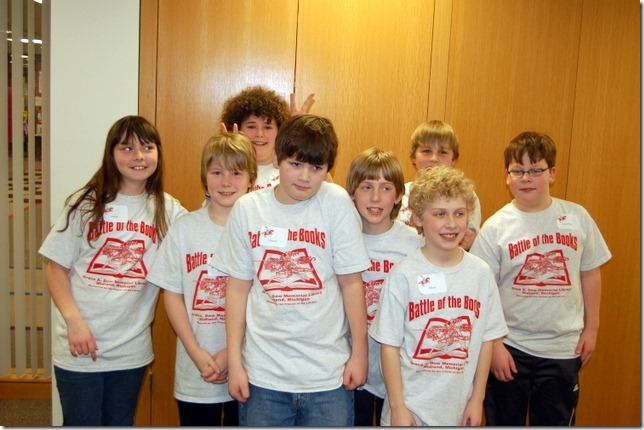
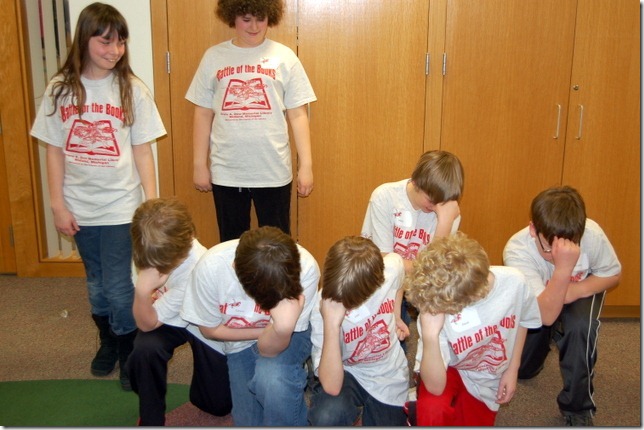
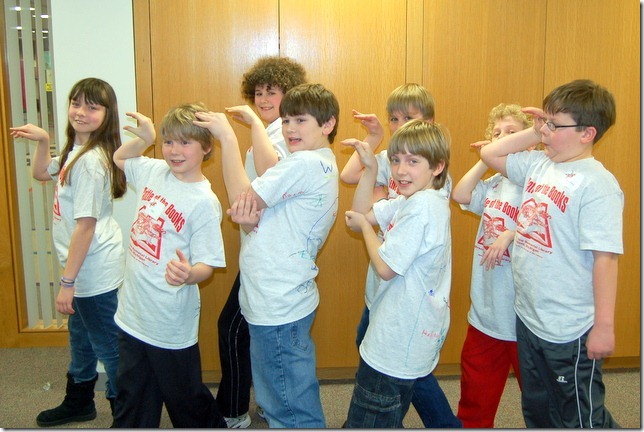
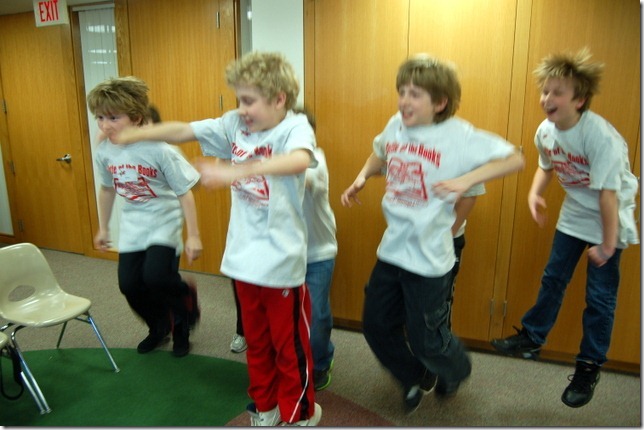
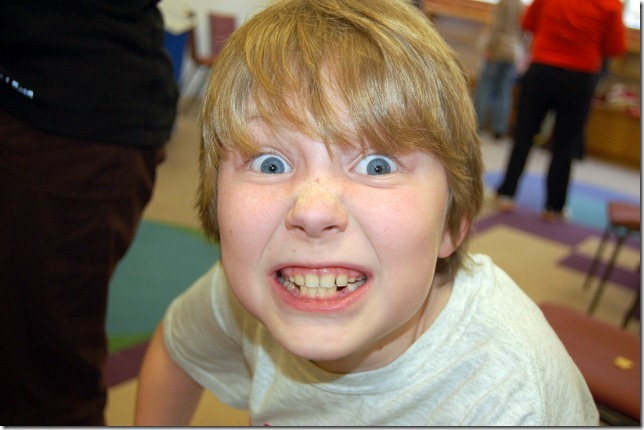
Here are some photos of Boomslang:
published by Jonathan on Tue, 03/15/2011 - 23:10
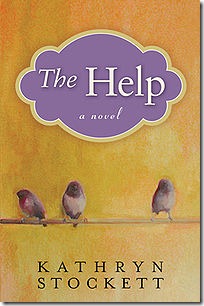
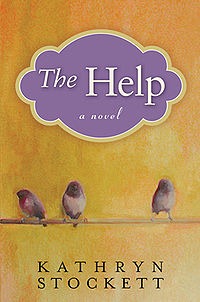
I recently finished reading The Help by Kathryn Stockett. From Wikipedia:
The Help is…about African American maids working in white households in Jackson, Mississippi during the early 1960s.
It didn't impact me the way The Color of Love did (which I mentioned here and here), but I enjoyed it. It gets criticism as a white woman writing about the black experience, but Stockett addresses/acknowledges that directly in the afterward…and I'm not sure why we should only be allowed to write about ourselves (whatever category of self that might be).
published by Jonathan on Tue, 01/25/2011 - 00:54
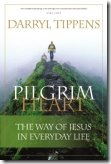
Last spring I finished reading Pilgrim Heart: The Way of Jesus in Everyday Life by Darryl Tippens while leading a Sunday AM class studying it at church.
From the product description:
Originally, the way of Jesus was considered a distinctive way of life rather than a sophisticated theological system. Pilgrim Heart re-imagines discipleship as - first and foremost - a particular way of life guided by a set of simple, but powerful, daily practices known to the earliest disciples and the saints through the ages. These include: Friendship; Sabbath Rest; Hospitality; Confession; Forgiveness; Listening; Discernment; Singing; Creating; Telling Stories. How would this approach to the religion of Jesus change the way we think and live? Pilgrim Heart is an invitation to consider afresh the way of Jesus in light of practices that have proven to transform lives for two thousand years.
I enjoyed the book, although it was lighter on explicit references from the New Testament than I would have expected for a book about "the way of Jesus." My favorite chapter was "Welcoming: Opening Doors to Strangers" in which Tippens describes the radical, self-sacrificial hospitality that many Christians practiced during the first few centuries AD. I previously reproduced a big quote from that chapter and why it stood out to me here: link.
I gave the book 4 out of 5 stars.
Pages